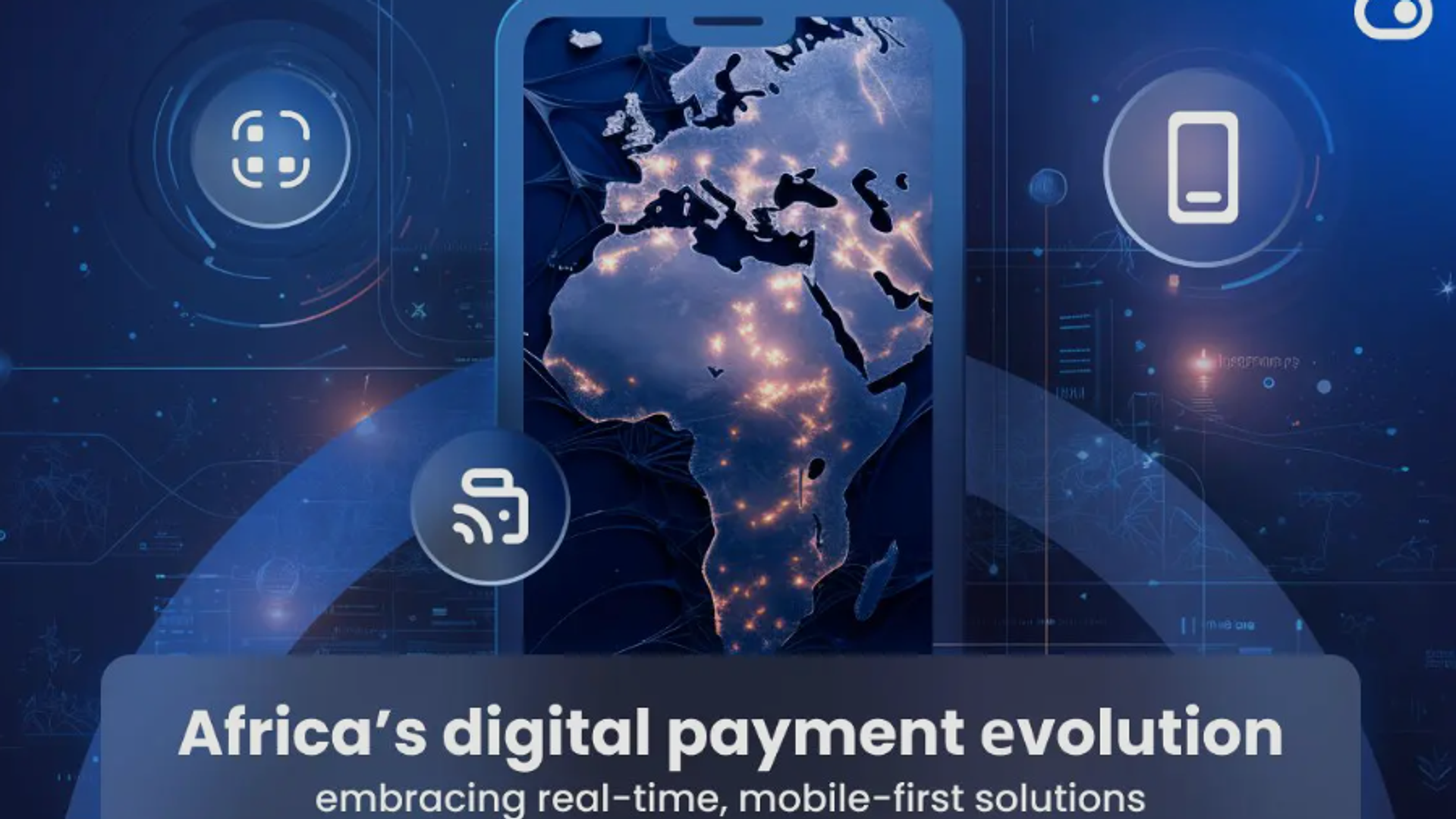
Digital Payments Africa Businesses Must Understand to Stay Competitive

Reporter
Andy Akinbamini
Published
June 4, 2026
Digital payments that African businesses rely on are reshaping commerce fast. Discover the platforms, trends, and finance strategies powering Africa's payment revolution.
Cash is no longer king across Africa. Digital payments are rapidly becoming the default method of payment for millions of consumers, businesses, and governments across the continent, driven by mobile technology, growing consumer trust, and a fintech ecosystem that is developing faster than in almost any other part of the world.
Understanding digital payments, Africa’s most competitive businesses are adopting, is not optional for entrepreneurs who want to remain relevant, accessible, and financially efficient in an increasingly cashless commercial environment.
The numbers tell a compelling story. Mobile money accounts across Sub-Saharan Africa now represent the highest concentration of digital payment adoption globally, with transaction volumes and values growing consistently year over year as infrastructure improves and consumer confidence deepens. For any African business that still relies primarily on cash transactions, the window to adapt is narrowing, and the cost of delayed adoption is rising with each quarter that passes without a clear digital payment strategy.
Why Digital Payments Are Transforming African Commerce
The shift toward digital payments in Africa is not simply a technology trend. It is a structural economic transformation that is expanding market access, reducing transaction friction, and creating entirely new categories of commercial opportunity that cash-based economies simply cannot produce at a meaningful scale.
The GSMA Mobile Money State of the Industry Report confirms that Sub-Saharan Africa leads the world in mobile money adoption, with hundreds of millions of registered accounts processing trillions in annual transaction value across the region. This adoption is not concentrated only in the continent’s largest cities.
It is reaching rural communities, informal traders, and micro-enterprises that have never had meaningful access to traditional banking infrastructure but have readily embraced mobile-first financial tools that fit their real-world constraints and commercial needs perfectly.
The Leading Digital Payment Platforms in Africa
- Mobile Money
Mobile money remains the foundational layer of digital payments across Africa. Platforms like M-Pesa in East Africa, MTN Mobile Money across multiple markets, and Orange Money in Francophone Africa have created payment infrastructure that operates independently of traditional banking systems and reaches populations that formal finance channels consistently failed to serve.
Safaricom’s M-Pesa platform definitively demonstrated that a mobile-first payment solution built specifically for African market conditions could achieve massive scale, transforming everyday commerce, remittances, savings, and access to credit for millions of users across the region.
The mobile money model has since inspired similar platforms across West, Central, and Southern Africa, creating a continent-wide digital payment ecosystem that processes an extraordinary volume of daily transactions through interfaces as simple as an unstructured supplementary service data menu on the most basic mobile handsets.
- Card and Bank Transfer Platforms
Beyond mobile money, card payments and bank transfers are gaining significant traction among Africa’s urban business and consumer populations. Platforms like Flutterwave and Paystack have built unified payment APIs that allow African businesses to accept card payments, bank transfers, and mobile money through a single integration, dramatically reducing the technical complexity of offering multiple payment options to customers with diverse payment preferences.
Flutterwave’s payment infrastructure connects businesses across Africa to a wide range of payment methods and currencies, making it particularly valuable for businesses that serve customers in multiple countries or that need to accept both local and international payments through one reliable, well-supported platform.
Paystack’s merchant tools complement this by offering clean, conversion-optimized payment experiences that reduce checkout abandonment and improve the overall customer journey for African e-commerce and service businesses operating at any scale.
- QR Code and Contactless Payments
QR code payments are gaining momentum across African retail environments, offering a low-cost, device-agnostic payment method that requires no card terminal or sophisticated point-of-sale infrastructure. A merchant needs only a printed or displayed QR code and a mobile device to accept payments from any customer with a compatible mobile banking or wallet application, making this format particularly accessible to micro-enterprises and informal traders entering the digital payment ecosystem for the first time.
The World Bank’s financial inclusion data highlights QR-based payment systems as one of the most promising mechanisms for expanding digital payment access to Africa’s large informal economy, where merchants and customers alike benefit from low-cost entry into cashless transactions without expensive hardware investment or complex technical integration requirements.
Key Benefits of Digital Payments for African Businesses
Adopting digital payments delivers benefits that extend well beyond simple transaction convenience. The commercial, financial, and operational advantages of going digital are significant and compound meaningfully over time as your digital payment infrastructure matures and your transaction history grows.
Key benefits that African businesses experience after adopting digital payments include:
- Expanded customer reach: Accepting digital payments removes the geographic and logistical barriers created by cash dependence, connecting your business to a larger addressable market.
- Faster settlement: Digital transactions settle more quickly than traditional collection methods, improving cash flow visibility and reducing the working capital pressure caused by delayed payments.
- Transaction records: Every digital payment creates a verifiable financial record that strengthens your bookkeeping, simplifies tax compliance, and builds the credit history that finance institutions use to evaluate lending decisions.
- Reduced cash handling risk: Eliminating physical cash reduces theft exposure, counting errors, and the operational overhead associated with secure cash storage and banking.
- Customer trust signals: A business that accepts multiple digital payment methods signals professionalism, stability, and commercial maturity, which increase consumer confidence and conversion rates.
Security, Regulation, and Consumer Trust in African Digital Payments
Security concerns remain one of the primary barriers to broader adoption of digital payments among merchants and consumers across Africa. Fraud, phishing attacks, and unauthorized account access are real risks that the digital payment ecosystem must continue to address through stronger authentication, improved consumer education, and more responsive fraud remediation processes that restore confidence quickly when incidents occur.
The Central Bank of Nigeria’s payment system policy framework represents the regulatory oversight essential to building and maintaining consumer trust in digital payment infrastructure across African markets.
As regulators across the continent develop more sophisticated oversight frameworks, businesses that choose licensed, regulated payment platforms benefit from the protection and credibility those frameworks provide. Always verify that any payment platform your business adopts holds the appropriate licenses and regulatory approvals in every market where you plan to use it.
Monitoring Market Trends in African Digital Payments
The digital payments landscape in Africa is evolving at a pace that rewards attentive business owners and penalizes those who treat their payment strategy as a one-time decision. New platforms emerge regularly, existing platforms expand their feature sets, and regulatory developments create both new opportunities and new compliance requirements that businesses must navigate proactively rather than reactively.
We Are Social’s Digital Africa Report provides annual updates on digital payment adoption patterns, consumer behavior shifts, and platform growth trajectories across African markets, making it an essential reference for business owners seeking to make informed decisions about their payment infrastructure investments.
Review your payment platform performance quarterly, evaluate new market entrants against your current solution, and remain open to switching or adding platforms when a clearly superior option emerges that better serves your customers and commercial objectives.
Frequently Asked Questions
Q: What is the most widely used digital payment method across Africa? Mobile money is the most widely adopted digital payment method in Africa, with platforms like M-Pesa, MTN Mobile Money, and Orange Money leading adoption across multiple regions.
Q: How do I choose the right digital payment platform for my African business? Consider the countries you operate in, your customers’ preferred payment methods, transaction fees, settlement speed, and whether the platform holds the appropriate regulatory licenses for your market.
Q: Are digital payments in Africa safe for small businesses to use? Yes, when using licensed and regulated platforms. Always choose platforms with strong security features, clear fraud policies, and responsive customer support to protect your transactions and your customers.
Q: How do digital payments affect access to business finance in Africa? Digital payment records create verifiable transaction histories that many lenders use as alternative credit data, significantly improving small business access to formal finance products and working capital solutions.
Q: Can informal traders and market vendors use digital payments in Africa? Absolutely. QR code payments, USSD-based mobile money, and simple payment links require minimal technology and zero card terminals, making digital payments accessible to traders at every level of the informal economy.
ThisIsBusiness360 is ready to help your business navigate Africa’s digital payment landscape with confidence.
- Call us today: +234 806 496 8725
- Visit our website: www.thisisbusiness360.com
Enjoyed this coverage?
Stay ahead of the curve with our weekly briefing on Africa's business landscape.
Distribute