African Humor as Cultural Resistance

Andy Akinbamini
Click to view profile
Dictators fear comedians more than opposition parties. You can arrest protest leaders, ban newspapers, and shut down political movements, but you cannot legislate against laughter. African humor culture acts as a tool for subversion in oral tradition, with folklore and storytelling using humor as a vital cultural strategy in dealing with the powerful.
The genius of African humor culture lies in its deniability. A joke can simultaneously speak truth and provide escape routes when challenged. Postcolonial subjects who have experienced violence choose not to challenge power directly but instead strategically deploy humor to subtly critique while maintaining plausible innocence.
Comedy Provides Safer Platforms for Political Discourse
In countries where political expression can be met with resistance, comedy offers a safer platform for discussing governance, corruption, and societal challenges.
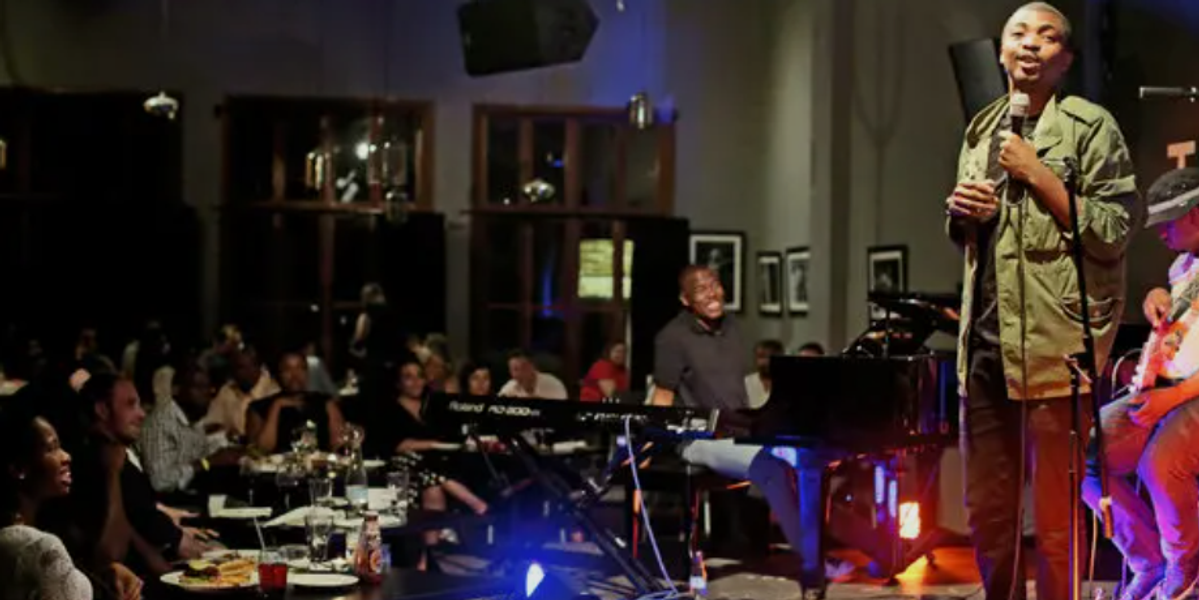
Comedians use humor and satire to critique governments whilst maintaining space for audiences to collectively process their frustrations. This soft power creates avenues for public discourse that would otherwise be restricted, transforming stages into parliamentary floors where regular citizens get represented through laughter.
Satirical Ambivalence Inhabits and Subverts Power Simultaneously
Trevor Noah's comedy functions as ambivalent mockery that both inhabits and subverts dominant power relations regarding Africa's place in global politics. African comedians demonstrate awareness of global interconnections whilst negotiating local cultures within prevailing configurations of political and epistemic power.
This dual positioning allows African humor culture to critique Western stereotypes whilst addressing internal contradictions, operating on multiple levels that pure protest cannot achieve.
Trends Show Indigenous Languages Contesting Colonial Hierarchies
Multilingualism in African humor culture contests colonial linguistic hierarchies by prioritizing minority viewpoints and promoting cultural reclamation. Vernacular comedy challenges the dominance of English and French, using indigenous languages to create humor that translates cultural specificity into resistance.
This linguistic decolonization through laughter proves that soft power operates even in grammar choices, making every joke told in Yoruba, Zulu, or Swahili an act of cultural preservation.
Social Media Bypasses Traditional Industry Gatekeepers
African women creators on Instagram, TikTok, and X have built massive audiences crossing national and continental boundaries. These digital spaces allow female comedians to bypass traditional industry gatekeepers who historically excluded women from comedy as a masculine domain.
Stella Dlangalala, Thenjiwe Moseley, and Beverly Adaeze negotiate positions in digital spaces spanning multiple countries, proving that African humor culture now operates beyond geographic and gender constraints.
Humor Functions as a Collective Coping Mechanism
In countries where access to mental health care remains limited, African humor culture serves as a way for individuals to process pain and cope with adversity. Nigerian comedians like Kenny Blaq and Funke Akindele make light of everyday struggles whilst offering solidarity and collective resilience.
This therapeutic dimension demonstrates how soft power operates not just against external oppressors but also against internal traumas, providing relief through shared recognition that we all struggle similarly.
Comedy Preserves Cultural Memory Through Satirical Performance
Igbire performances among the Uwheru people merge entertainment with moral instruction, serving as community watchdogs. During festivals and funerals, satirical songs target social misconduct from infidelity to corruption. These traditions use comedy not only to entertain but also to critique, discipline, and heal, proving African humor culture maintains ethical standards through laughter rather than legislation.
African humor culture reveals that resistance doesn't always look like clenched fists and protest chants. Sometimes it looks like Basketmouth mocking Nigerian politicians to sold-out crowds or Eric Omondi's satirical sketches going viral across East Africa. This soft power through comedy achieves what military coups and opposition parties often cannot: making people question authority whilst maintaining their dignity, demanding change whilst protecting their safety, and speaking truth whilst preserving their ability to laugh tomorrow.
African humor culture transforms comedy into resistance. Soft power through laughter challenges authority whilst preserving dignity and demanding change.
Visit our website for insights, creator stories, and trends shaping Africa.