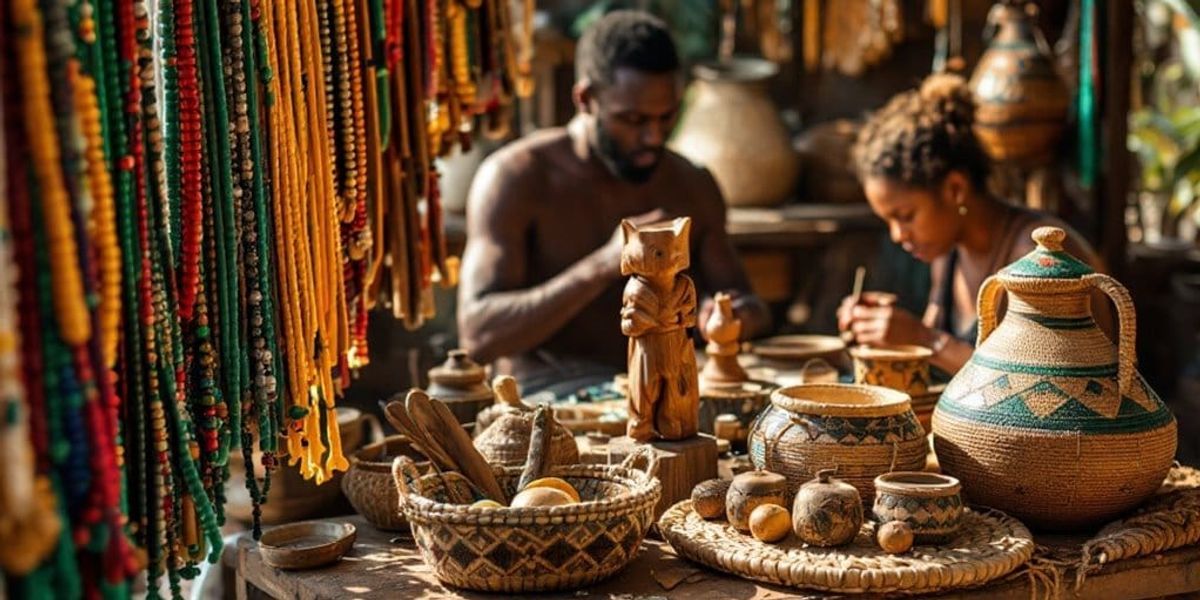
African Marketplaces as Cultural Ecosystems

Andy Akinbamini
Click to view profile
Walk into any African marketplace, and you'll quickly realize you haven't just entered a shopping centre. You've stepped into a living museum where economic transactions intertwine with cultural rituals, where bargaining becomes storytelling, and where every purchase carries weight beyond currency.
African markets are vibrant hubs of culture, commerce, and community, offering not unique goods but also perfect opportunities to immerse yourself in local language and traditions. These spaces function as cultural lifelines sustaining the spirit of the continent through an economic culture that values relationships as much as profit.
Bargaining Functions as a Social Ceremony Rather Than a Mere Price Negotiation
In African market culture, bargaining isn't about getting the lowest price. Bargaining is a form of social interaction in which price negotiations often lead to laughter, storytelling, and meaningful exchanges between buyers and sellers.
This cultural tradition creates dynamic relationships, allowing both parties to walk away satisfied, transforming transactions into performances in which wit, respect, and camaraderie matter as much as the final payment.
Community Identity Strengthens Through Market Gathering Spaces
African markets serve as guardians of heritage where crafts, jewelry, and textiles tell stories of African civilizations and traditions. Artisans use products to share the history and values of their communities, creating living archives.
Markets celebrate diversity, with languages, clothing styles, and customs blending harmoniously, fostering belonging and support that extend beyond commercial relationships into genuine community bonds.
Trends Show Spiritual Dimensions Embedded Within Commercial Spaces
Across indigenous African traditions, markets were accompanied by myths, taboos, rituals, and stories that often defied logic and linear time. Some marketplaces are dedicated to local deities or serve as venues for ancestral rituals.
The Igbo described markets as places where the living and the dead crossed paths, reflecting how African market culture refuses to separate material commerce from spiritual reality, making every transaction potentially sacred.
Economic Culture Prioritizes Relationships Over Transaction Speed
Word-of-mouth and community endorsements are powerful marketing tools in African market culture because recommendations from friends and family carry greater trust than corporate advertising.
Personal connections through negotiation create bonds that transform one-time buyers into lifelong customers. This economic culture values patience for slower transactions that build trust over efficiency that prioritizes volume, recognizing that sustainable commerce requires human connection.
Traditional Markets Support Grassroots Entrepreneurship and Innovation
Markets provide platforms for local artisans, farmers, and traders to thrive without corporate gatekeepers. They foster entrepreneurship and self-reliance, helping individuals sustain livelihoods whilst supporting small businesses.
SMEs account for 80% of employment across Africa, with traditional markets offering accessible entry points that require minimal capital and rich social networks, showing that economic culture thrives on community support rather than venture capital alone.
Cultural Memory Persists Through Market-Based Oral Traditions
Market days often coincide with religious or cultural celebrations, blending spirituality with commerce in ways that preserve cultural practices. Storytelling, music, and shared meals turn market visits into cultural education for younger generations.
These spaces function as classrooms where children learn values, history, and social norms through observation and participation, ensuring cultural continuity that formal education systems struggle to replicate.
African marketplaces prove that economic culture doesn't require abandoning human connection for efficiency. These ecosystems demonstrate that commerce thrives when embedded within community relationships, spiritual practices, and cultural traditions rather than extracted from them. Understanding African market culture reveals alternative economic models in which profit and purpose, transaction and transformation, buying and belonging coexist naturally rather than compete for dominance.
African markets' culture blends commerce with community. Discover how economic culture thrives through relationships, tradition, and social bonds.
Visit our website for insights, creator stories, and trends shaping Entertainment in Africa.