African Mourning Rituals Explained

Andy Akinbamini
Click to view profile
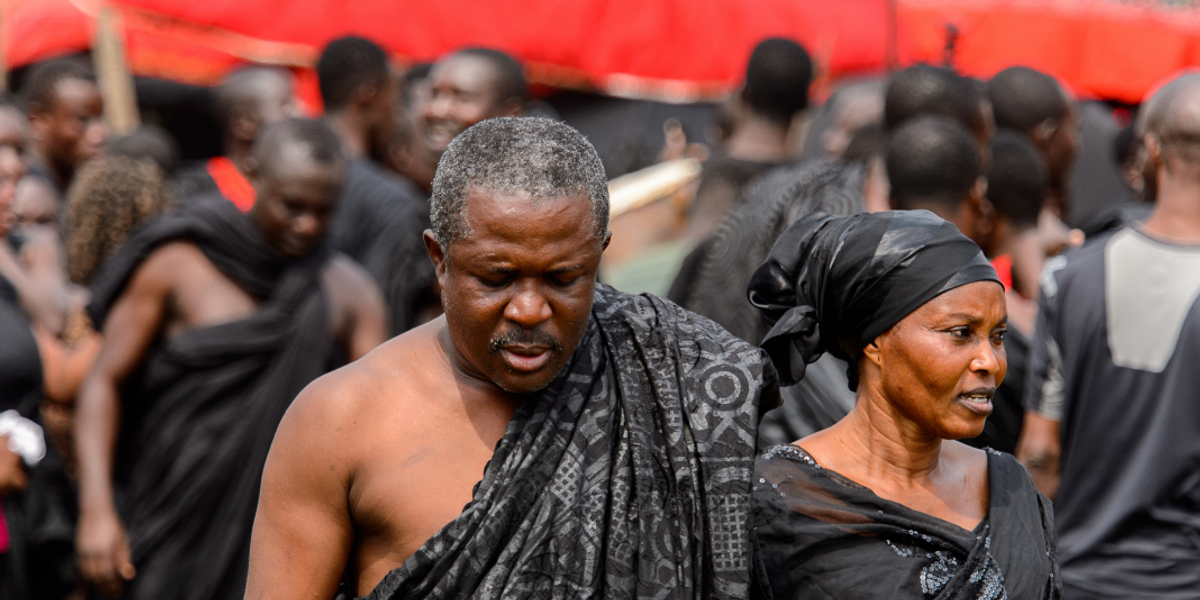
African mourning customs represent profound spiritual beliefs about death, ancestors, and the relationship between living and deceased community members. These rituals go far beyond simple burial procedures; they ensure proper transition of spirits, comfort the bereaved, and maintain cultural identity across generations.
The diversity of mourning practices across Africa's 54 countries reflects a rich cultural heritage deserving respect and sensitivity. From elaborate West African celebrations lasting days to Islamic traditions requiring swift burials, each custom serves essential purposes within its cultural context. Approaching these traditions with cultural humility helps outsiders appreciate the depth, meaning, and continued relevance of African mourning customs in modern times.
Community Gathering Provides Holistic Support for Bereaved Families
When death is announced, the entire community flocks to the bereaved family to provide support, including cooking, errands, and assistance with basic needs. A tent is raised on the homestead where community members gather for prayer and grief circles in days preceding the funeral.
This collective approach ensures grieving families receive space to mourn without worrying about practical matters, demonstrating how African mourning customs prioritize communal care over individual isolation.
Body Preparation Rituals Honour the Deceased's Journey
Elders or designated family members bathe the body with water, oils, and herbs in readiness for departure, cleansing both the body and the soul. The deceased is dressed in attire that symbolizes their achievements, beliefs, or social standing, with clothing playing a significant cultural role. These preparation customs show deep respect for the departed person while ensuring they enter the ancestral realm properly honoured and spiritually cleansed.
Trends Show Regional Variations Reflecting Diverse Belief Systems
West African funerals feature elaborate celebrations, with fantasy coffins shaped like cars or animals that represent the deceased's occupation or dreams. Southern African practices include sangomas performing rituals to communicate with spirits and contact ancestors, with prolonged mourning periods and specific dress codes.
North African Islamic customs require burials within 24 hours, with bodies washed, wrapped in white cloths, and buried in shallow graves facing Mecca, demonstrating how religion shapes African mourning customs.
Cleansing Ceremonies Mark Transitions Between Life and Death
Mourners returning from burial sites must wash the dirt from their feet using containers of clean water provided at the village edges. Some traditions include cutting aloe leaves to make cleansing water to ward off bad luck associated with graveyards. Close relatives perform healing rituals, including sweeping yards, shaving heads, and drinking traditional herbs, to ensure that spiritual purification separates the world of death from daily living spaces.
Extended Mourning Periods Demonstrate Ongoing Connection to Deceased
Widows in many African cultures wear black or navy clothing for specific periods, often 12 months in South Africa. Islamic traditions observe 40-day mourning periods, during which community members feed the family for the first three days. These extended periods acknowledge that grief cannot be rushed, allowing bereaved families time to adjust to loss while maintaining visible markers of mourning that signal their status to the wider community.
Music and Dance Celebrate Life Rather Than Focus Solely on Loss
African mourning customs frequently incorporate singing, drumming, and dancing around the deceased's body or during funeral processions. The Dinka people of South Sudan perform crying ceremonies with song and dance, believed to help spirits transition to the afterlife.
These celebratory elements, particularly for elders who lived full lives, transform funerals into affirmations of life and cultural continuity, honouring both the departed and the community's resilience in facing mortality together.
African mourning customs honour ancestors through sacred rituals. Understand burial traditions, cleansing ceremonies, and community support practices.
Visit our website for insights, creator stories, and trends shaping Africa.