Exploring Africa's Unique Marriage & Family Traditions

Andy Akinbamini
Click to view profile
African marriage culture represents far more than a union between two individuals. It signifies the coming together of entire families, communities, and ancestral lineages in celebrations that honour heritage and strengthen social bonds.
The richness of African family traditions lies in their diversity and adaptability. Across more than 54 countries and thousands of ethnic groups, each community brings unique customs to marriage and family structures.
Yet, common threads weave through these practices, including deep respect for elders, communal responsibility for children, and the belief that marriage serves a purpose beyond individual happiness, connecting past generations to future ones.
Family Involvement Before The Wedding Day
African marriage culture emphasizes family involvement throughout the entire process. In January 2025, over 1,000 couples from 43 African nations gathered in Ethiopia for a mass wedding celebrating diverse traditions with ancestral blessings from elders. The involvement of extended family begins from courtship, with formal introductions between families serving as crucial milestones that determine whether relationships can progress to marriage.
Providing Updates On Contemporary Bridal Trends
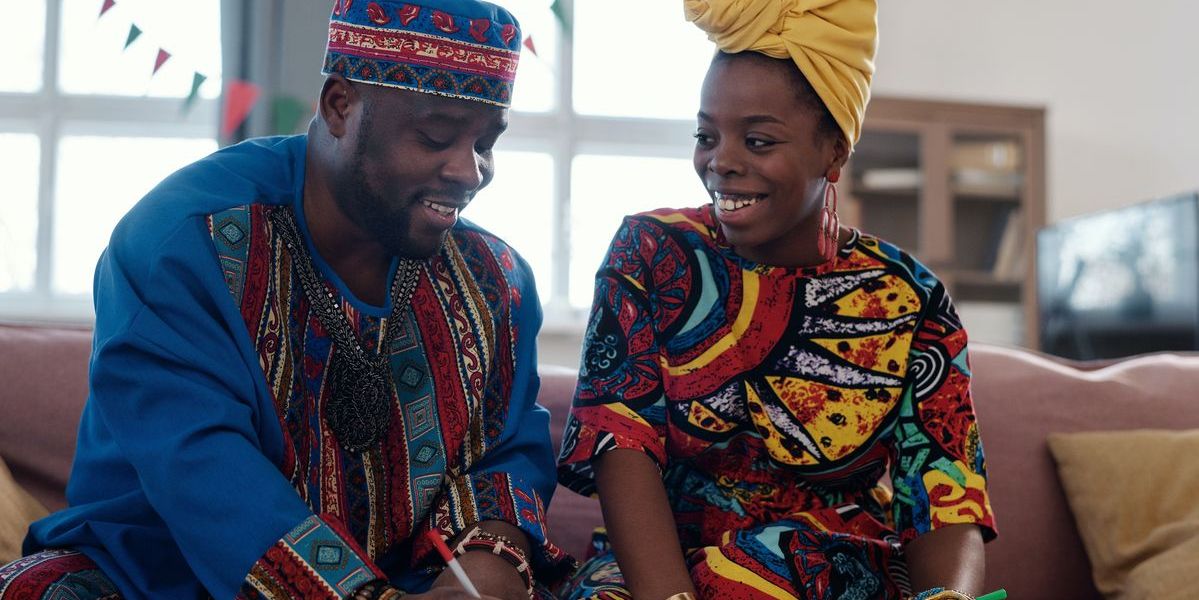
Modern African brides increasingly blend traditional elements with contemporary fashion sensibilities. Brides in 2025 are opting for traditional African garments made from vibrant, locally sourced fabrics adorned with intricate embroidery and beading.
This movement reflects cultural pride and creates visually stunning statements that honour heritage without sacrificing personal style, with many incorporating eco-friendly materials and locally produced garments that enhance both cultural and environmental significance.
Symbolic Rituals That Bind Couples Together
Marriage ceremonies across Africa feature powerful symbolic acts that represent commitment and unity. Libation ceremonies honouring ancestors are practiced in Ghana and Nigeria, in which water or wine is poured to invoke blessings. Tying couples' hands with traditional cloth symbolises the unbreakable bond of marriage and appears in ceremonies across West and East Africa.
The Tasting of Four Elements ritual among the Yoruba uses cayenne, lemon, vinegar, and honey to represent distinct stages of marriage, reminding newlyweds that their union will weather all seasons.
Extended Family Systems Shaping Child-Rearing
African family traditions emphasise collective responsibility for raising children beyond biological parents. The Ubuntu philosophy of "I am because we are" guides relationships in which extended family members, neighbours, and community elders participate in children's development.
This communal approach provides emotional security and diverse role models, ensuring that no child lacks care if circumstances change, and the saying "It takes a village to raise a child" aptly captures this shared commitment.
Bridewealth And Dowry Negotiations
Economic exchanges between families are integral to marriage processes across African cultures. Bridewealth involves the groom's family presenting gifts to the bride's family, ranging from livestock to money, symbolising appreciation and establishing social bonds between families.
These exchanges serve multiple purposes, including demonstrating the groom's ability to provide, creating insurance mechanisms for families, and establishing respect between the joining households, though rising costs have led some modern couples to modify these practices.
Modern Adaptations Preserving Cultural Identity
African marriage culture and family traditions continue evolving to meet contemporary realities without losing their essence. Young couples increasingly blend traditional ceremonies with modern weddings, wearing both cultural attire and Western-style gowns.
Urban migration and globalisation challenge extended family structures, yet core values of respect for elders, communal support, and ancestral connections persist. Religious and cultural leaders actively work to strengthen families through festivals and education, recognising that preserving these traditions provides stability in rapidly changing societies.
Discover African marriage culture and African family traditions through engagement ceremonies, ancestral blessings, extended kinship systems, and modern adaptations shaping 2025 celebrations.
Visit our website for insights, creator stories, and trends shaping Africa.