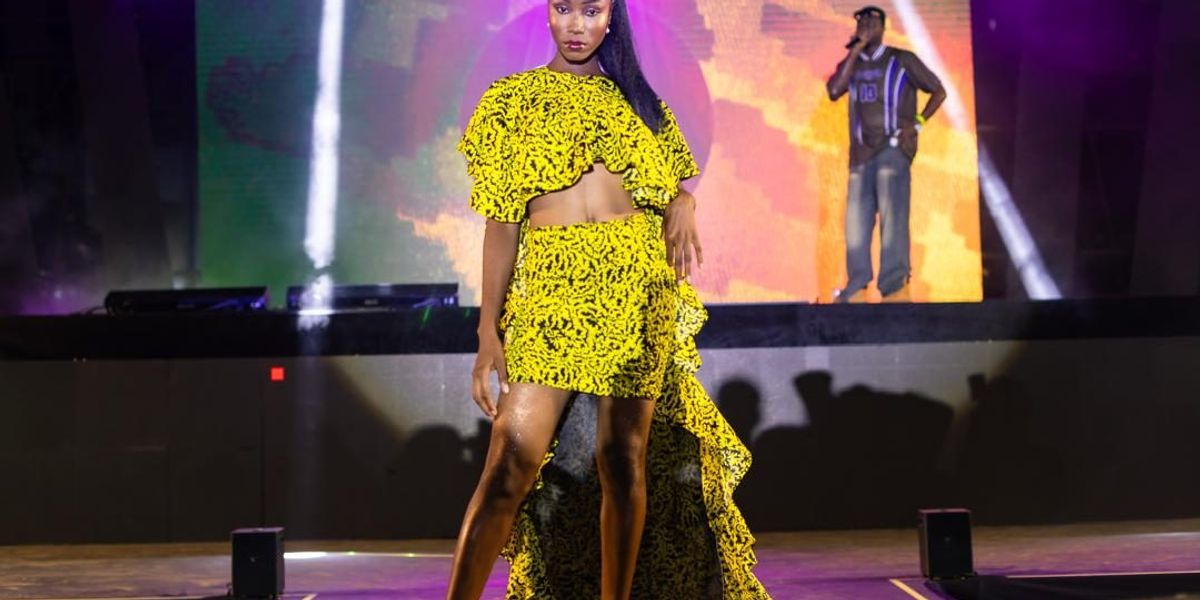
The Role of Fashion in African Entertainment

Andy Akinbamini
Click to view profile
Fashion doesn't simply dress African entertainers. It amplifies their voices, tells their stories, and broadcasts cultural identity to billions watching worldwide. When Wizkid wears Ankara trousers in the "Fever" video, or Tyla demands Chanel in her lyrics, they're not making random wardrobe choices.
They're making statements about heritage meeting luxury, tradition challenging Western fashion dominance, and African entertainment fashion claiming space in conversations previously reserved for Paris and Milan. The relationship between these industries runs deeper than aesthetics.
Music Videos Transform Into Fashion Manifestos
African fashion and music mirror culture, traditions, and history through their deep connection. Wizkid's "Fever" showcased bold Ankara prints that inspired countless viewers, while Tiwa Savage's "49-99" featured tailors working with wax fabrics and Aso-Oke caps. These videos don't just promote songs; they export African fashion sensibilities to audiences who might never visit the continent, turning three-minute clips into masterclasses on cultural aesthetics.
Red Carpet Moments Create Global Fashion Conversations
Tyla's sand-sculpted Balmain gown at the 2024 Met Gala went viral instantly, earning her Most Stylish Performing Artist at the South African Style Awards. Davido, Stonebwoy, and Temi Otedola attended Paris Fashion Week, with Davido's muted Amiri show outfit sparking talks of him becoming a new style icon. These appearances prove African entertainment fashion competes at fashion's highest levels, with entertainers earning front-row seats previously reserved exclusively for Western celebrities.
Trends Show Maximalist Era Embracing Bold Choices
Fashion experts predict African entertainment fashion entering maximalist territory with ambitious choices defining 2025. Short suits, bubble hems, mesh layering, and oversized structured silhouettes dominate predictions. Blues, lavenders, and purples emerge as common colours, whilst hairstyles function more as accessories than simply hair. This bold evolution reflects confidence where African entertainers no longer seek Western approval but instead set standards others follow.
Designer Collaborations Blur Industry Boundaries
African designers increasingly collaborate directly with musicians rather than waiting for stylists to approach them. Adeju Thompson's Lagos Space Programme showcased during Menswear Week, while Imane Ayissi returned to Haute Couture with intricate raffia craftsmanship. These partnerships create authentic synergies where entertainment provides platforms and fashion provides visual language, each industry amplifying the other's reach.
Traditional Textiles Gain Contemporary Relevance Through Performance
When Burna Boy wears custom Louis Vuitton, or Asake appears in Martine Rose at the Grammys, they carry forward traditions whilst recontextualizing them for global stages. African entertainment fashion preserves traditional craftsmanship through modern interpretations that make cultural heritage feel urgent rather than archival. Every performance becomes an opportunity to showcase bogolan, kente, and wax prints to audiences conditioned to see European luxury as default excellence.
Cultural Identity Becomes Competitive Commercial Advantage
The global appetite for authenticity positions African entertainment fashion as a valuable differentiator in oversaturated markets. Artists refusing to dilute cultural aesthetics for Western palatability discover that audiences reward genuine expression more than they reward assimilation. This authenticity translates into brand partnerships, magazine covers, and festival bookings precisely because African entertainment fashion offers something competitors simply cannot replicate, regardless of budget.
Fashion and entertainment don't just coexist in African creative industries. They fuel each other's growth through symbiotic relationships where musicians become walking advertisements for designers and designers gain credibility through entertainer endorsements. This cross-industry collaboration creates an ecosystem where cultural expression, commercial success, and global influence reinforce rather than contradict each other, proving African creativity thrives when industries collaborate rather than compete.
African entertainment fashion transforms music videos, performances, and cultural identity. Cross-industry collaboration creates global style movements.
Visit our website for insights, creator stories, and trends shaping Africa.