The Role of Music in African Spiritual Life

Andy Akinbamini
Click to view profile
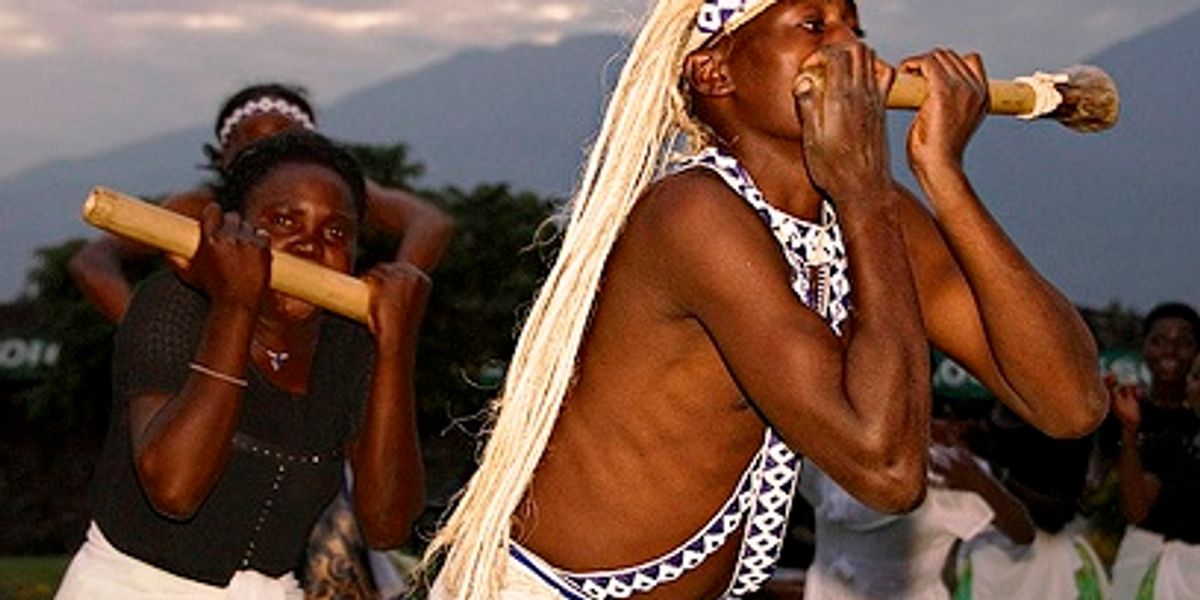
Silence holds no power in African spirituality. When communities need to speak with ancestors, invoke deities, or heal the afflicted, they turn not to quiet contemplation but to drumbeats, chants, and melodies that literally shake the earth.
African spiritual music doesn't accompany worship; it creates the very conditions under which the divine becomes accessible, where spirits cross into human spaces, and transformation becomes possible.
Drumming Serves as Direct Communication With Spiritual Realms
Drums symbolize the heartbeat of the community and the pulse of life, used to communicate with the spiritual world and mark the rhythm of religious ceremonies. Yoruba Bata drums are believed to have the power to summon Orishas, while West African talking drums mimic human speech to convey messages to gods or ancestors. These aren't mere instruments; they're telephones connecting the living with invisible powers that govern existence.
Trance States Enable Possession and Divine Intervention
West and Central African religious practices use rhythmic drumming or singing to excite community members to the point of going into a meditative trance. Participants embody deities or ancestors through distinct ritual movements, further enhancing their elevated consciousness.
Gnawa music's Lila ceremonies in Morocco induce trance states throughout entire nights, summoning spirits and cleansing individuals suffering from spiritual afflictions.
Trends Show Music Functioning as Healing Medicine
Traditional healers use music to diagnose illnesses and treat patients, believing that certain sounds and rhythms have healing properties that alleviate physical and mental health issues.
Drumming stimulates the body's energy centers whilst vocalization promotes emotional release. Zār dances in Sudan and Ethiopia allow spirits to communicate through participants in trance, providing paths to healing where conventional medicine fails.
Call-and-Response Patterns Build Communal Spiritual Power
Leaders sing lines whilst congregations respond, creating dynamic exchanges that magnify individual voices into collective spiritual force. This participatory structure ensures everyone contributes energy rather than passively observing.
The back-and-forth between leader and community generates rhythmic momentum that builds toward moments of spiritual breakthrough, proving that African spiritual music requires active engagement.
Life Cycle Events Demand Specific Musical Interventions
Births, initiations, marriages, and funerals all require distinct musical accompaniment, marking transitions between life stages. Rites of passage ceremonies use music to announce that individuals are shedding old identities and assuming new roles within community structures.
These musical rituals don't just celebrate events; they make transitions legitimate and spiritually recognized, ensuring ancestors witness and bless the changes occurring within their descendants' lives.
African spiritual music bridges physical and divine realms. Sound culture connects communities with ancestors through sacred rhythms and ceremonial performances.
Visit our website for insights, creator stories, and trends shaping Africa.