Why African Artisans Are the Backbone of Cultural Preservation

Andy Akinbamini
Click to view profile
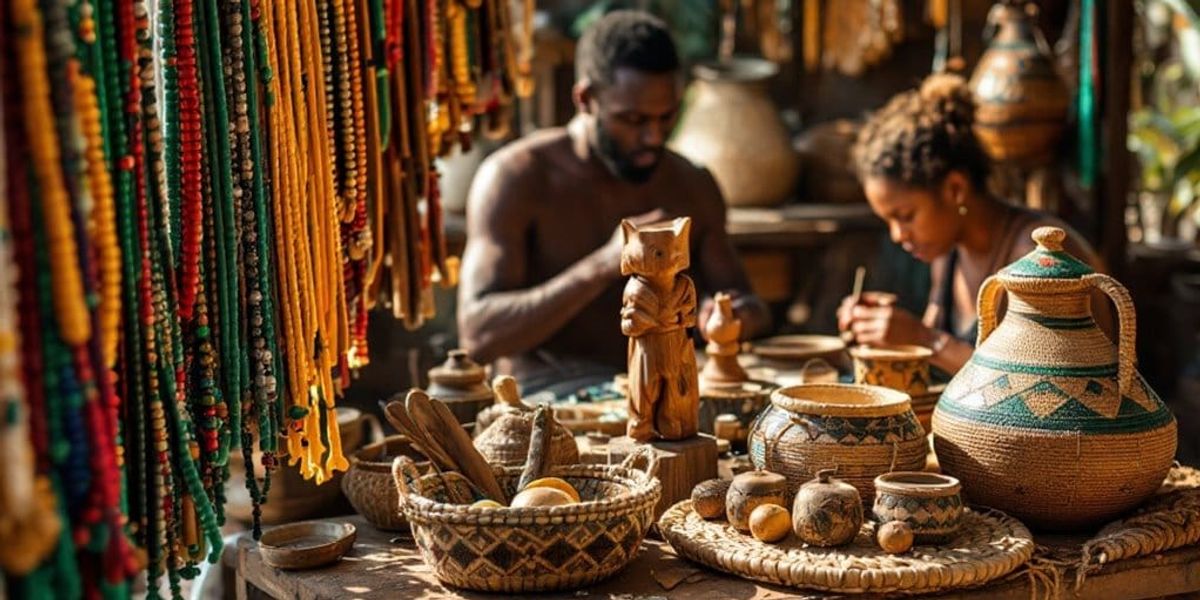
African artisans serve as living libraries, preserving cultural knowledge that books can never fully capture. Through beadwork, weaving, carving, and pottery, these skilled creators maintain traditions passed down through generations, ensuring that cultural identity survives the pressures of modernization.
Traditional craft in Africa tells stories of ancestors, spiritual beliefs, and community values that would vanish without dedicated craftspeople committed to their art forms. The role these artisans play extends beyond creating beautiful objects to safeguarding entire ways of life. Every basket woven, mask carved, and textile dyed represents cultural continuity, connecting past, present, and future generations.
Traditional Techniques Transmit Cultural Knowledge Across Generations
Supporting local artisans helps preserve traditional techniques and empowers communities economically. Elders play vital roles in passing down skills, techniques, and stories through oral traditions and hands-on learning.
This mentorship reinforces cultural continuity and mutual respect between generations, ensuring that African artisans maintain authentic methods rather than adopt shortcuts to mass production that compromise quality and meaning.
Crafts Serve as Tangible Records of African History
Traditional craft in Africa creates functions as historical documentation that museums and books cannot replicate. Cloth honours people, events, and political causes, transmitting vital cultural information through celebrations and ceremonies.
Maasai beadwork communicates social status and marks life events such as marriage, childbirth, and coming-of-age ceremonies, underscoring that African artisans encode history into every creation.
Trends Show Artisans Adapting Heritage Crafts for Contemporary Markets
Traditional beadwork and weaving have been reclaimed in regions like Kenya and South Africa and adapted to express contemporary cultural pride. African artists increasingly blend traditional techniques with contemporary styles, creating innovative works that speak to both heritage and modern experiences.
This evolution proves that traditional craft in Africa remains dynamic rather than frozen in time, with African artisans ensuring relevance whilst maintaining authenticity.
Women Artisans Drive Economic Empowerment Through Craft
Millions of African women rely on traditional crafts as vital sources of income, demonstrating that these skills represent more than mere creative expression. Platforms providing spaces for women to showcase and sell handcrafted goods foster economic empowerment, preserve traditions, and promote sustainable livelihoods.
African artisans, particularly women, demonstrate that cultural preservation and economic independence reinforce one another rather than contradict each other.
Sustainable Practices Connect Artisans With Natural Environments
African artisans use plant-derived dyes, sustainably sourced materials, and traditional methods that honour ecological balance. Women in certain communities create vibrant colours from plants, clay, and minerals, with each material carrying unique cultural and environmental significance.
This deep connection to nature demonstrates that traditional craftin Africa embodies sustainability principles that modern industries are only now recognizing as essential for planetary survival.
Global Recognition Validates Cultural Significance of African Crafts
Exhibitions, galleries, and collaborations with international designers provide platforms for African artisans to showcase their talents worldwide. High-end fashion runways and interior design trends celebrate vibrant colours, patterns, and textures of African art for their originality and depth.
This appreciation extends beyond aesthetic appeal, recognizing the resilience, ingenuity, and cultural depth embedded in each handmade piece, ensuring that African artisans receive recognition worthy of their irreplaceable contributions to global heritage preservation.
African artisans preserve cultural heritage through traditional crafts. Discover how craftsmanship safeguards identity and history.
Visit our website for insights, creator stories, and trends shaping Africa.