Why Naming Traditions Matter in Cultural Preservation

Andy Akinbamini
Click to view profile
Naming traditions Africa upholds represent far more than simply labeling children; they embody centuries of cultural wisdom, spiritual beliefs, and communal identity. Each name carries deep meaning, connecting individuals to their ancestors, communities, and destinies through carefully chosen syllables.
When communities abandon these traditions for foreign naming conventions, they sever vital links to their heritage, which can never be fully recovered, and lose irreplaceable cultural knowledge embedded in linguistic structures.
Names were assigned based on circumstances surrounding birth, day of birth, hopes and aspirations, as well as ancestral and religious connections, before colonization disrupted these systems. Preserving the naming traditions in Africa, which have evolved over millennia, is essential for maintaining cultural authenticity.
Names Function as Biological GPS Linking Generations
Surnames serve as more than names; they connect individuals to their ancestral lineage, acting as a biological GPS that identifies family trees and preserves boundaries. Each African surname tells a story rich with cultural significance and indigenous knowledge passed down through centuries.
This genealogical function prevents incest within African societies and maintains family structures essential to communal organization, demonstrating that the naming traditions practiced in Africa serve practical as well as spiritual purposes.
Colonialism and Religion Disrupted Indigenous Naming Systems
Under colonial rule, Africans were coerced into adopting European names as a means of asserting dominance and erasing indigenous cultures. Names like John, Mary, and Thomas replaced traditional African names, symbolizing the imposition of colonial authority and erasure of African identity.
European missionaries viewed European names as symbols of Christian conversion, whilst Islamic expansion brought Arabic naming conventions that sometimes displaced local traditions, creating a post-colonial hangover that persists today.
Trends Show Youth Actively Rejecting Traditional Names
Young Africans increasingly rename themselves, rejecting birth names under beliefs that indigenous names are satanic or backward. This troubling shift reflects a loss of African values as naming traditions, once central to identity, are abandoned for foreign labels holding no connection to African heritage.
Modern influences, including Western education, religious shifts, and urbanization, have led to a decline in which many African children receive names without ceremonies, choosing Western names over indigenous ones.
Naming Ceremonies Affirm Community and Spiritual Belonging
Traditional naming ceremonies across Africa bestow names whilst affirming children's place within the community, lineage, and spiritual world. West African ceremonies known as "outdooring" introduce communities to the newest family members seven to eight days after birth.
Rituals include dropping water and local gin into children's mouths, indicating a hope that they become honest people, whilst feasting on traditional foods like Senegalese lakh reinforces communal bonds.
Day-Names and Circumstances Create Meaningful Identity Markers
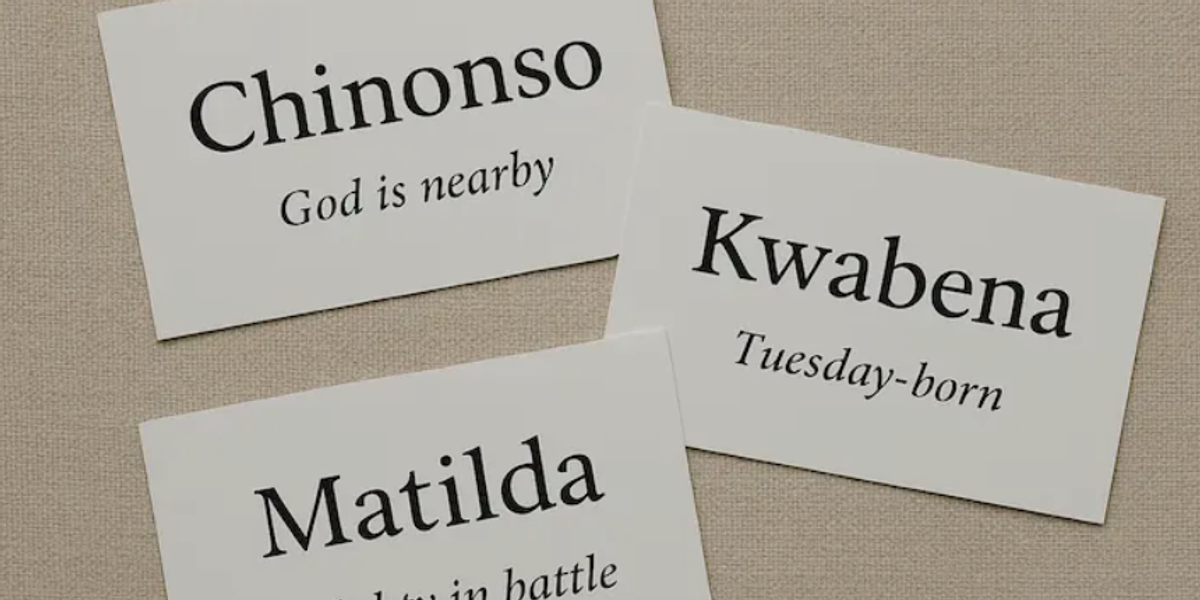
Among the Akan people of Ghana, names like Kwame (born Saturday) or Adwoa (born Monday) associate individuals with day-of-the-week birth, aligning children with celestial energies that guide their lives. Yoruba names often carry spiritual or philosophical messages, ensuring children's names reflect wisdom and societal values.
Parents name children based on feelings during birth or circumstances at the time, creating names that convey love, sadness, relief, or thankfulness, which are embedded in identity.
Reclaiming Indigenous Names Resists Cultural Erasure
Embracing local names affirms cultural heritage and resists forces of cultural erasure imposed through colonialism and globalization. The act of choosing indigenous names becomes a tangible expression of self-determination, challenging the erasure of identity whilst fostering a renewed sense of pride and belonging.
Countries like Japan, China, and India have thrived whilst maintaining cultural identities, proving that preserving naming traditions Africa created doesn't hinder progress but strengthens cultural continuity essential for authentic development.
Naming traditions in Africa preserve identity, heritage, and ancestral connections. Discover why indigenous names safeguard cultural continuity.
Visit our website for insights, creator stories, and trends shaping Africa.